Shopify Live Support Chat

Shopify Live Support Chat: How to Improve Customer Support and Conversions

Customer support plays a critical role in ecommerce success. Many Shopify merchants focus on marketing and traffic, but overlook how support impacts conversions. This is where shopify live support chat becomes essential.

Shoppers often have quick questions before making a purchase. If they cannot get answers instantly, they may leave the store and look elsewhere. Even a small delay in response can lead to lost sales.

For example, a customer browsing a product page may want to confirm sizing, delivery time, or return policies. If the store provides instant answers through live chat, the customer can complete the purchase. Otherwise, the opportunity may be lost.

What Is Shopify Live Support Chat?

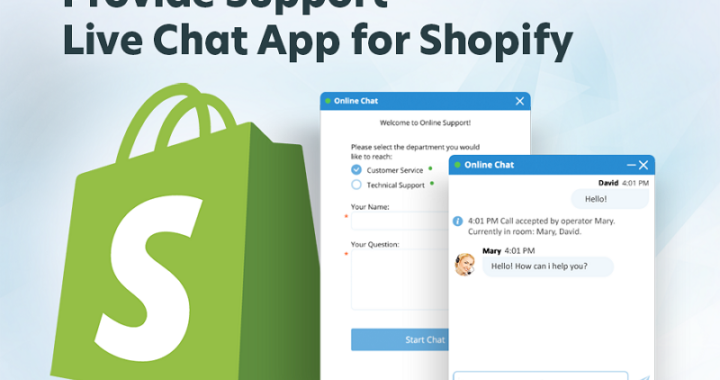
Shopify live support chat is a real-time messaging system that allows customers to communicate directly with a store while browsing.

Instead of waiting for email responses, customers can ask questions and receive immediate answers. This improves the overall shopping experience and helps remove hesitation during the buying process.

Many stores use a live chat Shopify app to integrate chat functionality directly into their website. These tools make it easier to manage conversations and respond quickly to customer inquiries.

Why Shopify Customer Support Matters for Conversions

Strong shopify customer support directly impacts how customers interact with your store.

When customers feel supported, they are more confident in making a purchase. On the other hand, poor support can lead to abandoned carts and lost revenue.

Faster decision making

Customers often need quick clarification before purchasing. Instant support helps them make decisions faster.

Increased trust

Clear and responsive communication builds trust with customers, especially for new visitors.

Reduced cart abandonment

Many shoppers leave because of unanswered questions. Fast support reduces hesitation and improves conversion rates.

How Live Chat Prevents Lost Sales

Imagine a customer adding a product to their cart but hesitating at checkout. They want to confirm whether the item will arrive before a specific date.

If the store offers shopify live support chat, the customer can ask the question instantly and get a response within seconds. This reassurance often leads to a completed purchase.

However, if the store does not provide instant support, the customer may leave the site and look for alternatives. This is how many potential sales are lost every day.

Benefits of Using a Live Chat Shopify App

Using a live chat Shopify app provides several advantages for ecommerce stores.

Real-time communication

Customers can get answers immediately without leaving the website.

Improved customer experience

Fast responses create a smoother and more satisfying shopping journey.

Higher conversions

When customers receive quick support, they are more likely to complete their purchase.

Better engagement

Live chat encourages interaction and keeps customers on the site longer.

How AI-Powered Support Improves Shopify Customer Support

As ecommerce grows, managing support manually becomes difficult. This is where automation and AI-powered solutions come into play.

Modern platforms like AI customer support platforms such as Consio help merchants handle customer interactions more efficiently.

Solutions such as an AI voice agent for Shopify support allow stores to answer inbound customer calls instantly, handle order status questions, and assist shoppers during checkout.

24/7 customer questions

• Customers receive answers anytime
• Reduces waiting time

Order status support (WISMO)

• Customers can check order updates instantly
• Improves customer satisfaction

After-hours support

• Handles inquiries outside business hours
• Prevents missed opportunities

Escalation to human agents

• Complex issues are routed to support teams
• Ensures better resolution

Modern customer support automation platforms combine live chat, voice, and automation to create a complete support system for ecommerce stores.

If you want to see how these tools work in real Shopify environments, you can book a product demo to explore the platform.

For more strategies and insights, explore the latest AI customer support insights.

Best Practices for Shopify Live Support Chat

To get the best results from shopify live support chat, merchants should follow a few key practices.

Respond quickly

Fast response time is the biggest advantage of live chat. Delays reduce its effectiveness.

Keep messages clear

Short, helpful responses improve communication and reduce confusion.

Train support agents

Well-trained agents can handle customer questions more effectively and improve satisfaction.

Combine chat with automation

Using automation alongside live chat helps manage higher volumes of customer inquiries.

FAQ

What is Shopify live support chat?

Shopify live support chat is a real-time messaging system that allows customers to communicate with a store while browsing and receive instant answers.

How does a live chat Shopify app work?

A live chat Shopify app integrates chat functionality into your store, enabling customers to ask questions and receive immediate responses.

Why is Shopify customer support important?

Good customer support builds trust, reduces hesitation, and increases the likelihood of completing a purchase.

Can live chat increase ecommerce sales?

Yes. Faster responses help customers make decisions quickly, which often leads to higher conversion rates.

Is live chat better than email support?

Live chat is faster and more interactive than email, making it more effective for handling immediate customer questions.

Final Say

Providing fast and reliable customer support is essential for ecommerce success. Shopify live support chat allows merchants to respond to customer questions instantly, improve user experience, and increase conversions.

By combining live chat with automation and AI-powered support tools, Shopify stores can handle more customer inquiries while maintaining high-quality support.

Merchants looking to improve their support systems canbook a product demo to explore how modern support solutions work in real ecommerce environments.

Marketing Automations Shopify

Marketing Automations Shopify: How Automation Helps Grow Ecommerce Sales

Running a successful Shopify store requires more than just great products. Merchants also need consistent marketing efforts to attract customers, nurture leads, and drive repeat purchases. This is where marketing automations Shopify solutions play an important role.

Many store owners try to manage marketing tasks manually, including sending emails, following up with customers, and tracking abandoned carts. Over time, these repetitive tasks become difficult to handle as the business grows.

For example, imagine a Shopify store owner trying to send promotional emails to hundreds of customers individually. Without automation, this process can take hours every week.

With the right shopify marketing automation strategy, these tasks can run automatically while the merchant focuses on growing the business.

What Is Marketing Automation in Shopify?

Marketing automations Shopify refers to using automated systems to manage marketing activities without manual effort.

Instead of sending every email or campaign manually, automation tools trigger actions based on customer behavior. These automated workflows help stores communicate with customers at the right time.

A typical shopify marketing automation workflow might include:

• sending welcome emails to new customers
• reminding shoppers about abandoned carts
• offering discounts after a purchase
• recommending related products

Automation ensures that marketing continues to work in the background even when the merchant is busy with other tasks.

Why Shopify Stores Need Marketing Automation

As ecommerce stores grow, managing marketing manually becomes inefficient. Automation helps Shopify merchants save time while improving customer engagement.

Consistent customer communication

Automated systems allow merchants to maintain regular contact with customers through email campaigns, notifications, and follow-ups.

Personalized marketing

Automation tools can send personalized messages based on customer behavior, purchase history, or browsing activity.

Time efficiency

Instead of performing repetitive tasks, merchants can rely on shopify automation tools to handle marketing workflows automatically.

Higher conversion rates

Automated campaigns can reach customers at the right moment, which often leads to higher engagement and sales.

Real Scenario: How Automation Improves Customer Engagement

Consider a customer who visits a Shopify store and signs up for the newsletter but does not make a purchase immediately.

Without automation, the store owner may forget to follow up with the customer. However, with marketing automations Shopify, the system can automatically send a welcome email, introduce the brand, and recommend popular products.

A few days later, the system might send another email with a limited-time discount or highlight customer reviews. These automated messages keep the brand in the customer’s mind and increase the chances of converting the visitor into a buyer.

Types of Shopify Marketing Automation

There are several types of automation workflows that help Shopify stores improve marketing performance.

Welcome email sequences

When a new customer signs up for a newsletter or creates an account, automated emails can introduce the brand and highlight popular products.

Abandoned cart recovery

Automated reminders can encourage customers to return and complete their purchase if they leave products in their cart.

Post-purchase follow-ups

Automation can send thank-you messages, request reviews, or recommend related products after a customer completes a purchase.

Promotional campaigns

Automation allows stores to schedule promotional emails, seasonal campaigns, and product announcements in advance.

These strategies allow merchants to build relationships with customers while relying on shopify automation tools to handle the repetitive work.

How AI and Automation Improve Customer Support and Marketing

Marketing automation works best when it is combined with efficient customer support systems.

Customers often have questions before purchasing. If they cannot get answers quickly, marketing campaigns may not convert effectively.

Modern platforms like Consio’s AI customer support platform help ecommerce stores manage inbound customer interactions more efficiently.

Solutions such as an AI voice agent for ecommerce can answer customer questions instantly, handle order status requests, and assist shoppers during the buying process.

These systems work alongside marketing automation tools by ensuring customers receive immediate support when they need it.

Modern customer support automation platforms combine automation, voice technology, and ecommerce integrations to improve both marketing and customer experience.

Merchants interested in exploring how voice automation fits into their ecommerce workflow can book a product demo to see the platform in action.

You can also explore additional insights and strategies on the latest AI customer support insights.

Best Practices for Shopify Marketing Automation

To get the best results from automation, merchants should focus on building thoughtful workflows rather than sending too many messages.

Segment customers

Segmenting audiences based on behavior helps deliver more relevant marketing messages.

Keep messages helpful

Automated emails should provide value to customers rather than feeling like spam.

Monitor campaign performance

Regularly reviewing automation results helps identify what works best for your audience.

Combine marketing with customer support

When marketing campaigns are supported by fast customer service, conversions improve significantly.

FAQ

What is marketing automations Shopify?

Marketing automations Shopify refers to automated marketing workflows that help Shopify stores manage email campaigns, customer engagement, and promotional activities automatically.

How does Shopify marketing automation work?

Automation tools trigger marketing actions based on customer behavior, such as sending welcome emails, abandoned cart reminders, or product recommendations.

What are Shopify automation tools?

Shopify automation tools are platforms that help automate tasks such as email marketing, customer segmentation, and promotional campaigns.

Can automation increase ecommerce sales?

Yes. Automation helps stores maintain consistent communication with customers, which increases engagement and improves conversion rates.

Do small Shopify stores need marketing automation?

Yes. Even small stores benefit from automation because it saves time and helps maintain consistent marketing without requiring manual work.

Final Touch

Marketing automation has become an essential strategy for modern ecommerce stores. By using marketing automations Shopify workflows, merchants can automate repetitive marketing tasks while maintaining consistent engagement with customers.

From welcome emails to abandoned cart reminders, automation helps stores deliver the right message at the right time.

When combined with fast customer support and intelligent automation tools, Shopify merchants can improve conversions, save time, and build stronger relationships with their customers.

Abandoned Cart

Abandoned Cart: How to Reduce Cart Abandonment in Ecommerce

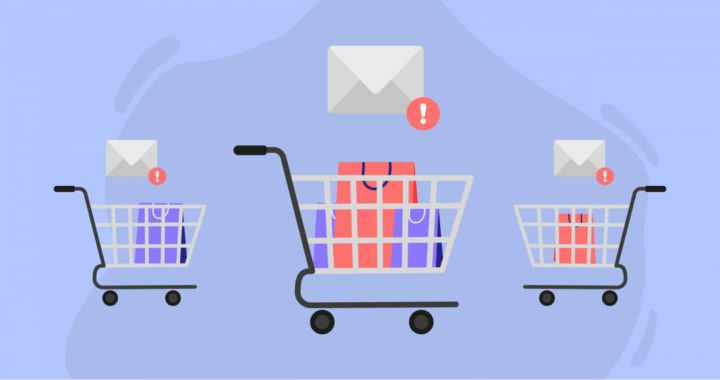
Cart abandonment is one of the biggest challenges for ecommerce stores. Many customers add products to their cart but leave the store before completing the purchase. This behavior is commonly referred to as an abandoned cart, and it affects almost every online store.

For example, imagine a shopper browsing a Shopify store late at night. They add a product to their cart but want to confirm delivery time before placing the order. If they cannot quickly find the information or get support, they may simply leave the store and never return.

This situation happens thousands of times every day in ecommerce. Understanding why cart abandonment happens is the first step toward reducing it and improving conversions.

What Is an Abandoned Cart?

An abandoned cart occurs when a shopper adds items to their online shopping cart but leaves the website without completing the purchase.

This behavior is extremely common in ecommerce. Customers may be interested in the product but hesitate for several reasons such as unclear shipping costs, slow support responses, or complicated checkout processes.

A typical abandoned shopping cart scenario looks like this:

• A customer browses a product page
• They add the item to their cart
• They start the checkout process
• Then they leave before completing payment

When this happens, the store loses a potential sale even though the customer already showed strong purchase intent.

Why Cart Abandonment Happens in Ecommerce

Understanding why customers leave their carts behind is essential for reducing cart abandonment.

Unexpected costs

One of the most common reasons for cart abandonment is unexpected costs during checkout. When shipping fees, taxes, or additional charges appear at the last step, customers may decide not to continue.

Slow or complicated checkout

A complicated checkout process can also lead to an abandoned shopping cart. If customers have to fill out too many forms or create an account before purchasing, they may abandon the process.

Lack of trust

Customers may hesitate if they are unsure about return policies, delivery times, or product quality. Without clear information, the risk feels higher.

No instant support

Sometimes shoppers simply have a quick question before buying. If they cannot get an answer immediately, the cart abandoned situation becomes more likely.

Real Scenario: How Small Questions Lead to Cart Abandonment

Many abandoned carts happen because customers cannot get quick answers during the buying process.

For instance, a customer might add a product to their cart but wonder whether it will arrive before a specific date. If they cannot confirm shipping time or delivery options quickly, they may leave the checkout page.

Another common situation occurs when customers are unsure about return policies or product compatibility. Even small uncertainties can cause hesitation, which often results in cart abandonment.

Providing fast support during these moments can significantly increase conversions.

Ways to Reduce Cart Abandonment

Reducing cart abandonment requires improving both the checkout experience and customer support.

Simplify the checkout process

Customers should be able to complete their purchase quickly. Reducing unnecessary steps and allowing guest checkout can help prevent an abandoned cart.

Show clear pricing early

Displaying shipping costs and taxes early in the process prevents unpleasant surprises later in checkout.

Provide instant customer support

Fast responses to customer questions can prevent hesitation during checkout.

Many ecommerce brands now use solutions like AI-powered customer support platforms to respond quickly to shoppers and reduce lost sales.

How Fast Support Helps Recover Abandoned Carts

When customers receive quick answers during checkout, they are much more likely to complete their purchase.

For example, a shopper might ask whether a product is available in another size or whether international shipping is supported. If the store can answer the question immediately, the customer may proceed with the purchase instead of leaving.

Solutions like an AI voice agent for ecommerce support allow stores to answer inbound customer calls instantly and help shoppers resolve their questions during the buying process.

Modern customer support automation platforms combine voice technology, automation, and ecommerce integrations to help stores respond faster and reduce support delays.

Merchants who want to explore how voice-based support works in ecommerce environments can also book a product demo to see how these tools help reduce cart abandonment.

For more insights about ecommerce customer experience and support strategies, you can explore the latest AI customer support insights.

Other Strategies to Reduce Cart Abandonment

Besides improving support, there are several additional strategies that can help reduce abandoned carts.

Use reminder emails

Abandoned cart emails remind customers about products they left behind and encourage them to return.

Offer flexible payment options

Providing multiple payment methods can help customers complete purchases more easily.

Build trust with clear policies

Clear return policies, delivery timelines, and guarantees help reduce hesitation during checkout.

FAQs

What is an abandoned cart in ecommerce?

An abandoned cart occurs when a shopper adds products to their cart but leaves the website before completing the purchase.

Why do customers abandon shopping carts?

Customers abandon carts for several reasons including unexpected costs, complicated checkout processes, lack of trust, or unanswered questions.

What is the difference between abandoned cart and cart abandonment?

An abandoned cart refers to a specific cart left behind by a customer, while cart abandonment describes the overall behavior or trend of customers leaving their carts without purchasing.

How can ecommerce stores reduce cart abandonment?

Stores can reduce cart abandonment by simplifying checkout, showing clear pricing, offering fast support, and sending reminder emails.

Can customer support reduce abandoned carts?

Yes. Fast support responses help customers resolve questions during checkout, which often leads to higher conversion rates.

Final Thoughts 

Cart abandonment is a common challenge in ecommerce, but it can be reduced by improving customer experience and removing friction from the checkout process.

By simplifying checkout, providing clear pricing, and responding quickly to customer questions, ecommerce stores can significantly reduce abandoned carts and increase sales.

Tools like AI-powered customer support and voice automation help merchants respond faster and guide customers through the purchase process, turning more carts into completed orders.

How to Increase Shopify Sales Without Adding More Apps

How to Increase Shopify Sales Without Adding More Apps

Shopify merchants often install multiple tools hoping to grow revenue. Many store owners search for the best Shopify apps to increase sales and start adding plugins for marketing, analytics, and customer support.

But too many apps can slow down a store and increase monthly costs. For example, a shopper might want to confirm delivery time before buying, and if the store cannot answer quickly, the customer may leave and buy from another store instead.

Instead of adding more tools, improving customer support, checkout experience, and response speed can often boost Shopify sales more effectively.

Why Installing Too Many Shopify Apps Can Hurt Your Store

Apps are designed to solve problems, but installing too many can create new ones.

One of the most common issues is site performance. Each new plugin adds scripts, integrations, and external requests that can slow down page load times. When your store loads slowly, customers are more likely to leave before completing a purchase.

Another challenge is rising operational costs. Many merchants start searching for the best Shopify app or must have Shopify apps, but over time they end up paying monthly fees for multiple tools.

App conflicts can also become a problem. Even some top Shopify apps may not work perfectly together, which can create technical issues or disrupt the user experience. Instead of constantly installing new tools, Shopify merchants often benefit more from optimizing their existing systems.

Ways to Boost Shopify Sales Without Installing More Apps

Improving sales doesn’t always require new software. Many successful Shopify stores focus on improving customer experience and removing friction from the buying process.

One effective approach is improving how quickly customers get answers to their questions. Shoppers often hesitate before completing a purchase because they want more information about shipping, product details, or return policies.

Reducing checkout friction is another important factor. Clear pricing, transparent delivery timelines, and easy checkout steps can dramatically improve conversion rates.

Merchants can also increase conversions by guiding customers through the buying journey. When customers receive quick responses and helpful support, they are more likely to trust the store and complete their purchase.

These improvements can significantly boost Shopify sales without requiring additional apps.

How Better Customer Support Increases Shopify Conversions

Customer support is one of the most powerful tools for improving ecommerce conversions.

When customers cannot quickly find answers to their questions, they often abandon their purchase. Questions about shipping, availability, sizing, or returns can delay buying decisions.

Many ecommerce brands solve this problem by using solutions such as Shopify call center support or Shopify live support chat so customers can ask questions instantly.

Modern ecommerce customer service software can also centralize communication across multiple channels like chat, phone, and email. This allows merchants to respond faster and provide a consistent support experience.

Platforms such as Consio’s AI customer support platform help ecommerce stores manage customer conversations more efficiently and provide faster responses across different channels.

For instance, a customer might be ready to purchase but still have a quick question about sizing or shipping. If the store provides instant support through chat or phone, the customer can complete the purchase immediately.

However, if support takes hours to respond, the shopper may leave the store and never return.

This is why fast support systems such as Shopify call center support or Shopify live support chat play a critical role in ecommerce conversions.

How AI Voice Agents Help Shopify Stores Increase Sales

Delayed responses are one of the most common reasons customers abandon purchases in ecommerce. 

Many shoppers reach the checkout stage but still have small questions about shipping times, return policies, or product availability. When they cannot quickly get an answer, they often leave the store and continue searching elsewhere.

For example, a customer might call a Shopify store to confirm whether an item will arrive before a specific date. If no one answers the phone or support takes hours to respond, the customer may abandon the purchase and buy from another store instead.

Solutions like an AI voice agent for Shopify help solve this problem by answering inbound customer calls instantly and providing real-time support during the buying process.

Here are several inbound support scenarios where voice automation improves conversions.

24/7 customer questions

• Customers can ask product or policy questions anytime
• Instant answers reduce purchase hesitation

WISMO (Where Is My Order)

• Customers frequently call to check order status
• AI systems provide tracking updates immediately

After-hours and overflow support

• Calls are handled outside working hours
• Stores reduce missed customer inquiries

Assisted checkout

• Customers receive guidance while completing purchases
• Complex issues can be escalated to human agents

Modern customer support automation platforms for ecommerce combine voice technology, automation, and ecommerce integrations to simplify customer communication and improve response times.

Merchants who want to see how inbound voice automation works in practice can book a product demo to explore how the system integrates with Shopify stores.

Smarter Alternatives to Installing More Shopify Apps

Instead of constantly searching for new tools, Shopify merchants often see better results by improving how they interact with customers.

Fast support responses, clear product information, and efficient communication systems help build trust with shoppers. When customers receive immediate assistance, they are more likely to complete their purchase and return in the future.

Many store owners assume they need more plugins to grow revenue. However, focusing on customer experience, support automation, and streamlined workflows can often deliver better results than installing another app.

For more strategies and insights about improving ecommerce customer support, you can explore the latest AI customer support insights on the Consio blog.

FAQ

What are the best Shopify apps to increase sales?

Many merchants search for the best Shopify apps to increase sales, including marketing tools, upsell plugins, and analytics software. However, installing too many apps can slow down your store and increase costs. Optimizing customer experience and support often delivers better results.

Do Shopify stores need many apps to boost sales?

Not necessarily. While apps can be helpful, many stores increase revenue by improving checkout experience, offering faster customer support, and reducing friction during the buying process.

How can customer support help boost Shopify sales?

Fast customer support builds trust and removes hesitation. When shoppers quickly get answers about products, shipping, or returns, they are more likely to complete their purchase.

What is the difference between Shopify live support chat and a Shopify call center?

Shopify live support chat allows customers to send messages directly from the website, while a Shopify call center provides phone-based support. Both options help stores respond quickly and improve the customer experience.

What role does ecommerce customer service software play in conversions?

Customer service platforms centralize customer conversations across channels. Faster responses and better support experiences help build trust and increase the likelihood that customers complete their purchase.

Can AI voice agents help increase Shopify sales?

Yes. AI voice agents can answer customer questions instantly, provide order updates, and assist customers during checkout. Faster support responses can lead to higher conversions and improved customer satisfaction.

Final Say

Increasing Shopify sales doesn’t always require installing more apps. In many cases, improving customer support, reducing checkout friction, and responding quickly to customer questions can have a greater impact on conversions.

By focusing on customer experience and smarter support systems, Shopify merchants can grow revenue while keeping their store simple and efficient.

If you want to see how AI-powered voice support can help your Shopify store respond faster and improve conversions, you can book a product demo and explore how the platform works in real ecommerce environments.